Activities for 2-Year-Olds
Two is the age of 'I do it myself.' Your child wants to pour their own milk, choose their own clothes, and buckle their own car seat — even when it takes ten times longer and doesn't quite work. This drive for autonomy isn't stubbornness; it's one of the most important developmental urges of early childhood. Your two-year-old is becoming a person with preferences, opinions, and a rapidly expanding inner life.
What's Happening Right Now
🧠
Cognitive
Language is the star of this year. Your child moves from two-word phrases to full sentences, asks 'why?' and 'what's that?' constantly, and uses language to negotiate, request, and protest. They categorize objects (animals, food, vehicles), understand concepts like big/small and in/out, and follow two-step instructions. Pretend play becomes elaborate — feeding stuffed animals, building houses from blocks, acting out scenarios from their daily life.
💪
Physical
Running, jumping, and climbing are confident and frequent. Your child can kick a ball forward, throw overhand, and pedal a tricycle. They walk up and down stairs with alternating feet (holding a rail) and can balance briefly on one foot. Fine motor skills include using scissors with assistance, drawing circles and lines with intention, and building towers of 6+ blocks. They're increasingly independent with utensils and cups.
❤️
Social & Emotional
Your child begins to play cooperatively, though sharing is still genuinely difficult. They develop friendships with specific children and ask for them by name. Empathy is emerging — they notice when someone is sad and may try to comfort them. They experience intense emotions and are learning to label them with your help: 'You're frustrated because the tower fell.' This emotional vocabulary is one of the most important things you can teach right now.
⭐
What's Coming Next
Three brings a more cooperative, imaginative child who can follow rules, wait (briefly) for things they want, and engage in complex pretend play with peers. Potty training often completes during this transition. Pre-literacy skills emerge: recognizing some letters, enjoying rhyming games, and telling simple stories. Your child's questions will become more complex as their understanding of the world deepens.
Activities by Category
📚
Learning
These activities build counting skills, categorization, early literacy awareness, and logical thinking.
🏃Physical / Motor
These activities refine balance, bilateral coordination, and the confidence needed for playground success.
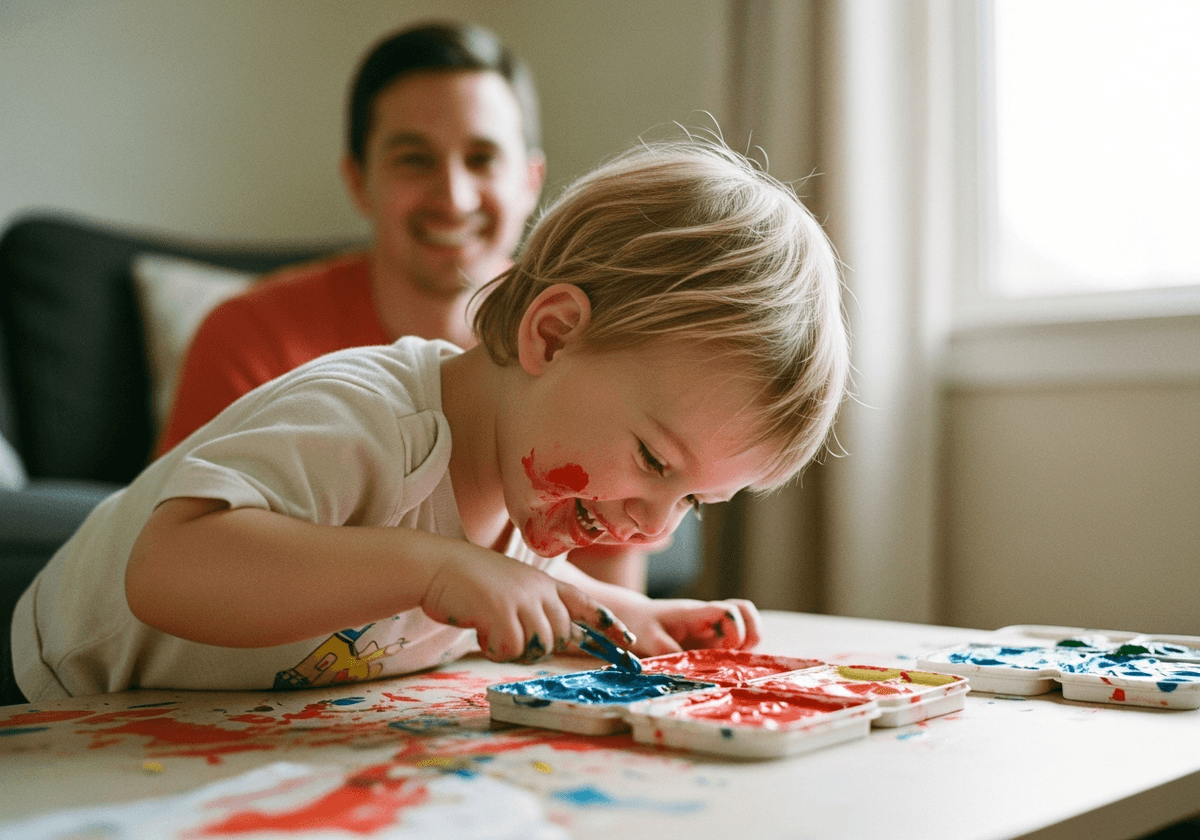
🎨Creative / Art
These art activities develop pencil grip, scissor skills, and the ability to plan and execute creative ideas.
🧩Sensory
These sensory activities support emotional regulation, fine motor precision, and focused attention.
👫Social
These activities encourage cooperative play, sharing, taking turns, and understanding others' feelings.
💬Language
These activities expand grammar, encourage storytelling, and build conversational confidence.
🎵Music
These musical activities develop rhythm, melody recognition, and the joy of creating sound with others.
🌿Nature / Outdoor
These outdoor activities foster observation skills, early science concepts, and respect for living things.
🤍
A Note for Parents
The word 'no' is your two-year-old's most powerful tool, and they will use it liberally. This isn't defiance — it's your child practicing autonomy, which is exactly what they should be doing at this age. Offer choices whenever possible ('Do you want the red shirt or the blue shirt?') to give them control within boundaries you've set. Power struggles decrease when children feel they have a voice.
What to Expect at This Age
Two-year-olds are gaining independence and expanding their vocabulary rapidly. They love imitating, sorting, and simple pretend play. Activities should encourage language development, fine motor skills, and social-emotional growth.
Curated Activities
Ready to Plan Your Week?
Create a personalized weekly plan with activities perfect for 2-year-olds. Track milestones, save favorites, and keep your family engaged all week long.